A blog of your own — finally easy to keep.
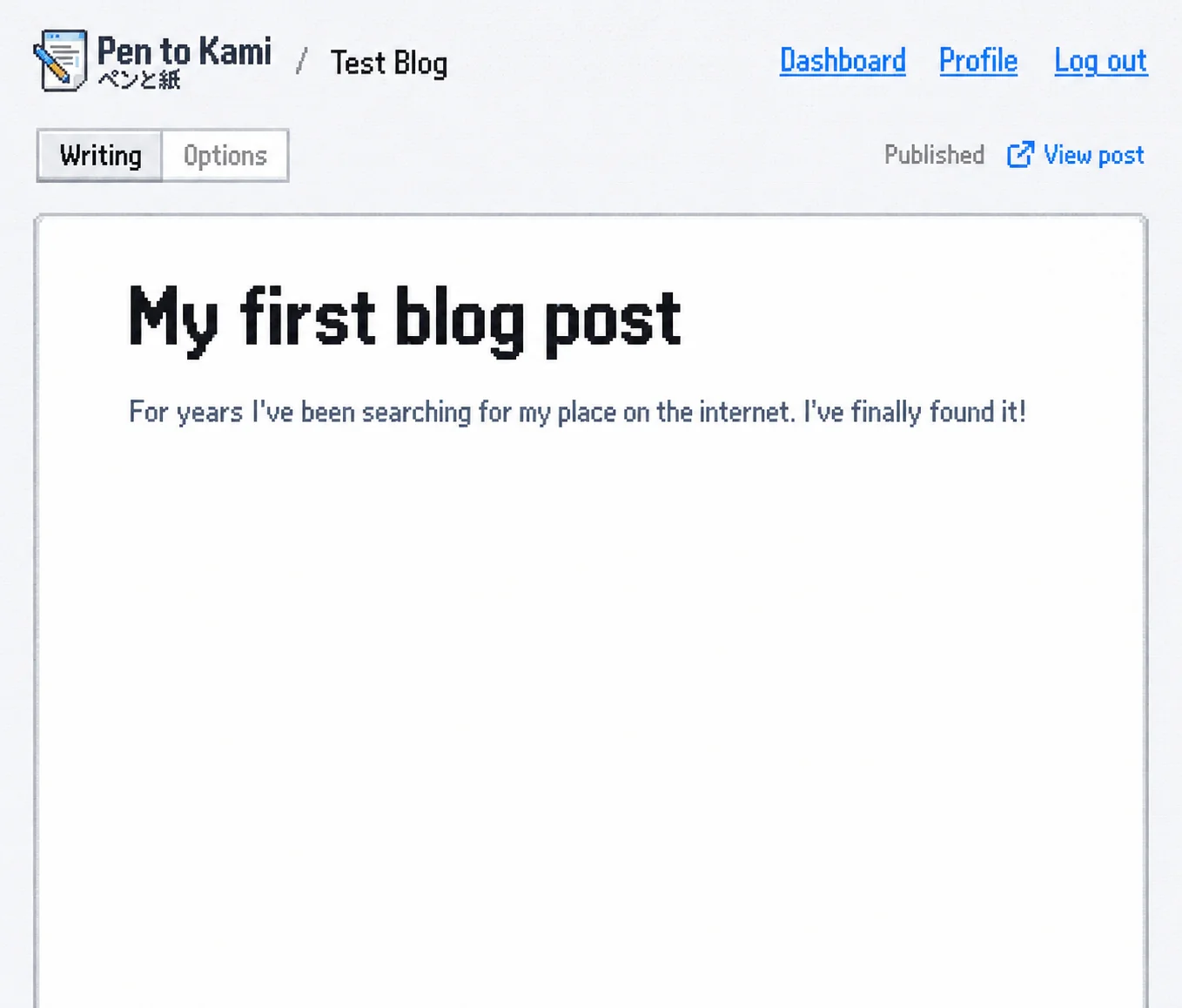
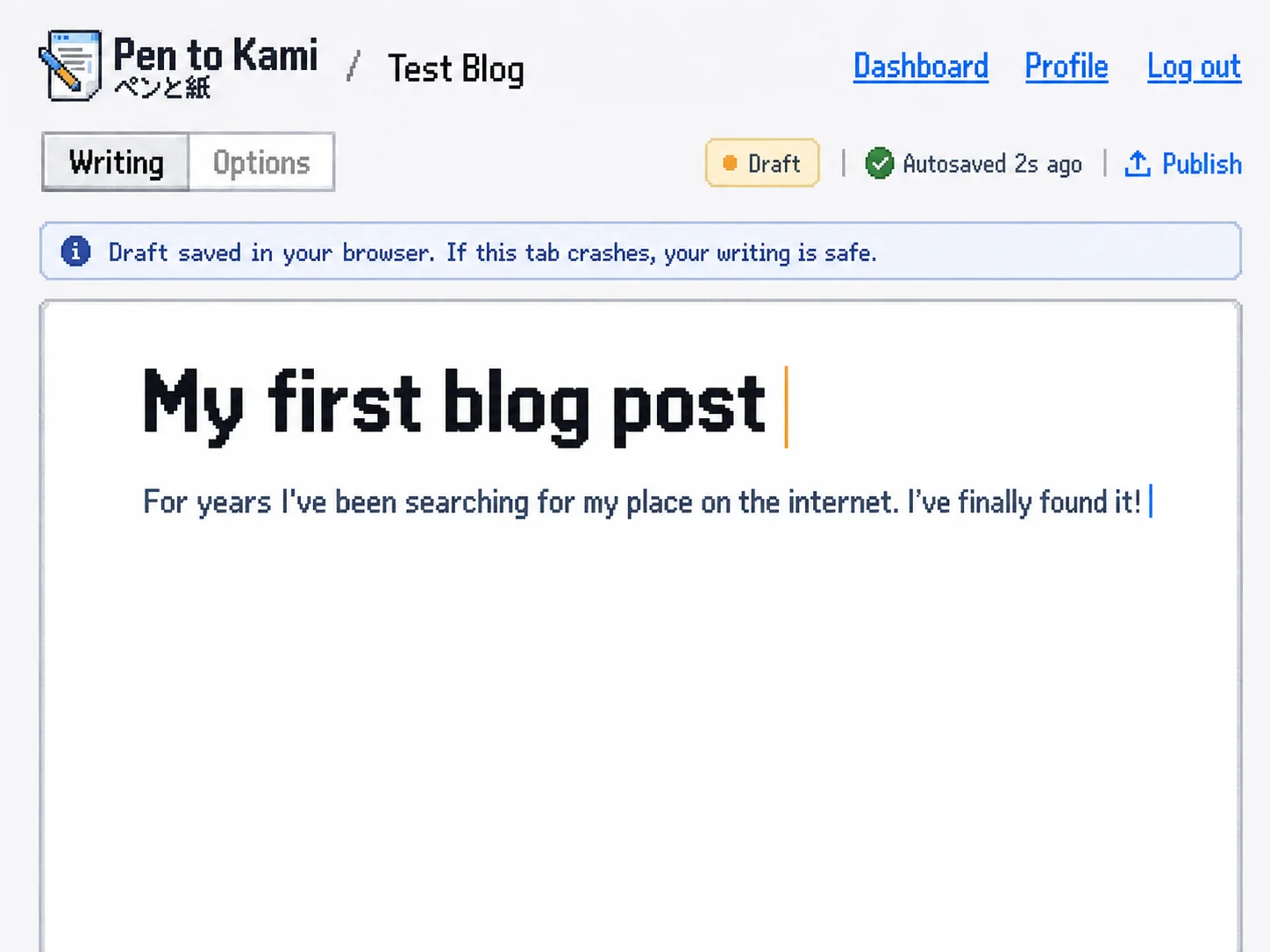
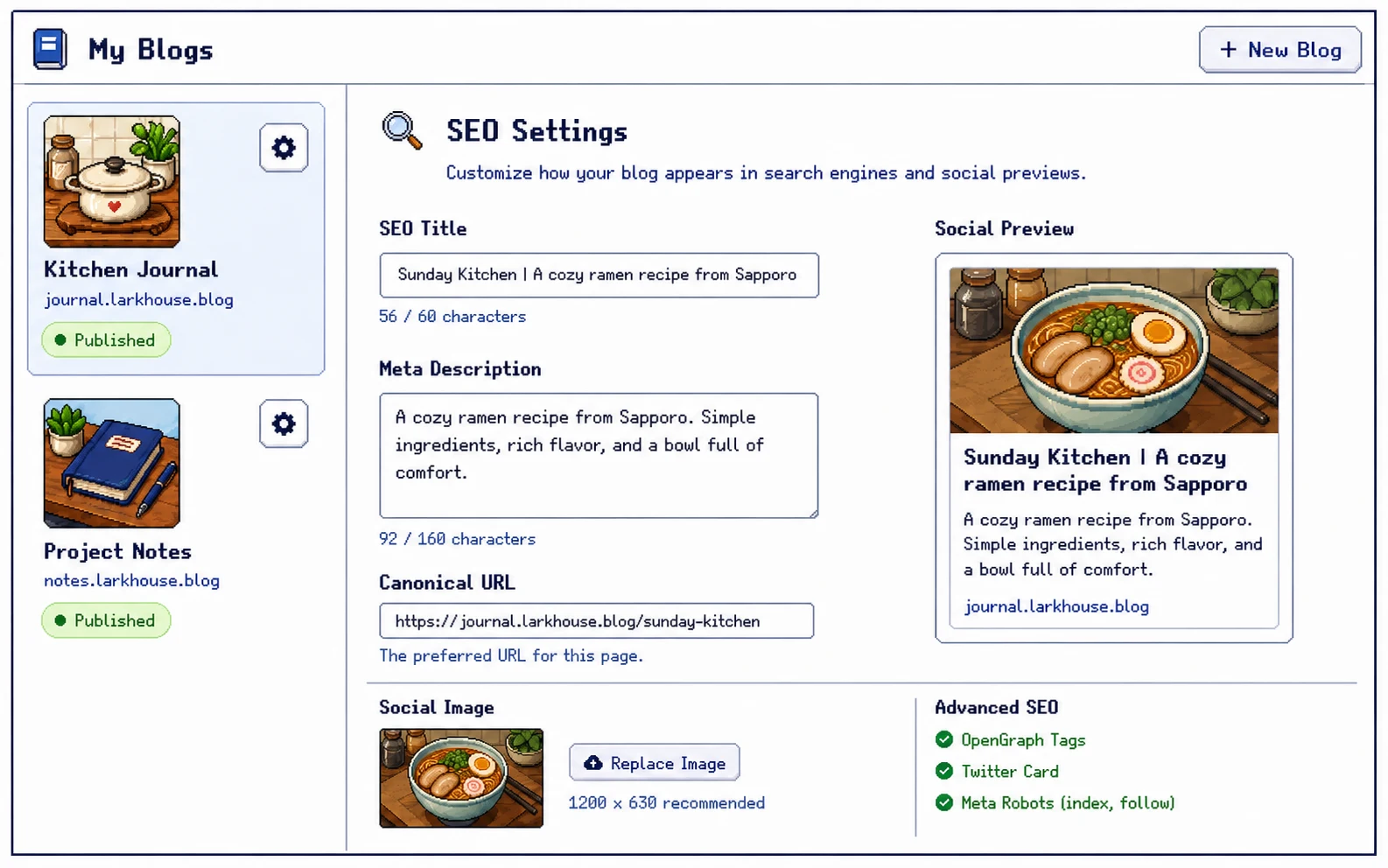
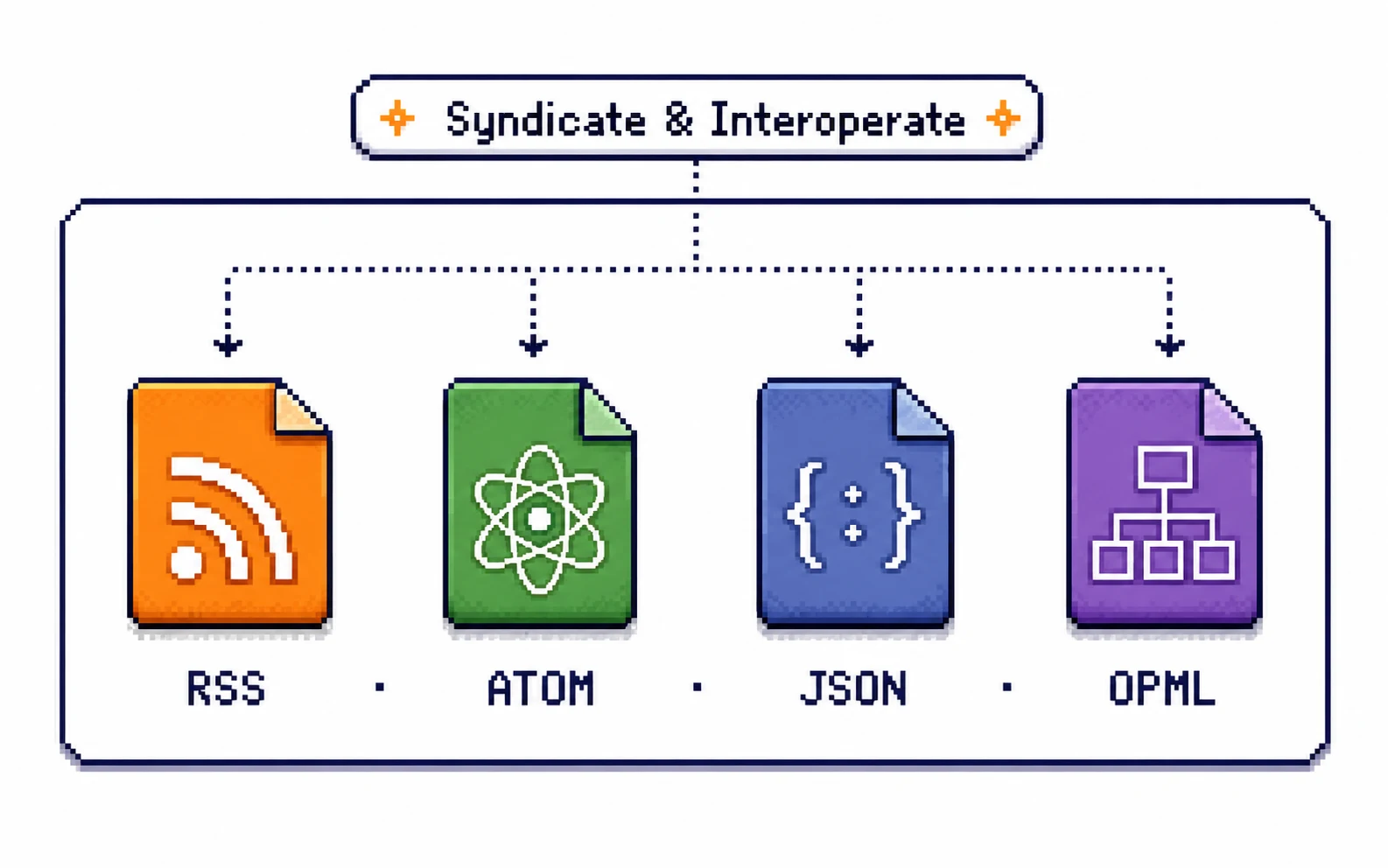
It's as simple as it sounds. Sign up, name your blog, start writing — that's the whole setup. Drafts save themselves as you type, themes apply with a click, and everything you'd normally bolt on yourself — RSS, SEO, full-text search, SSL, your own domain — is included from day one.

Why this exists
A blog is one person’s space — what they noticed this week, the photo from yesterday, the recipe their grandmother taught them. That’s rare on the web now. Pen to Kami exists to make keeping one as easy as writing an email.
Read the full case →Privacy
No trackers. No ads. No third‑party scripts.
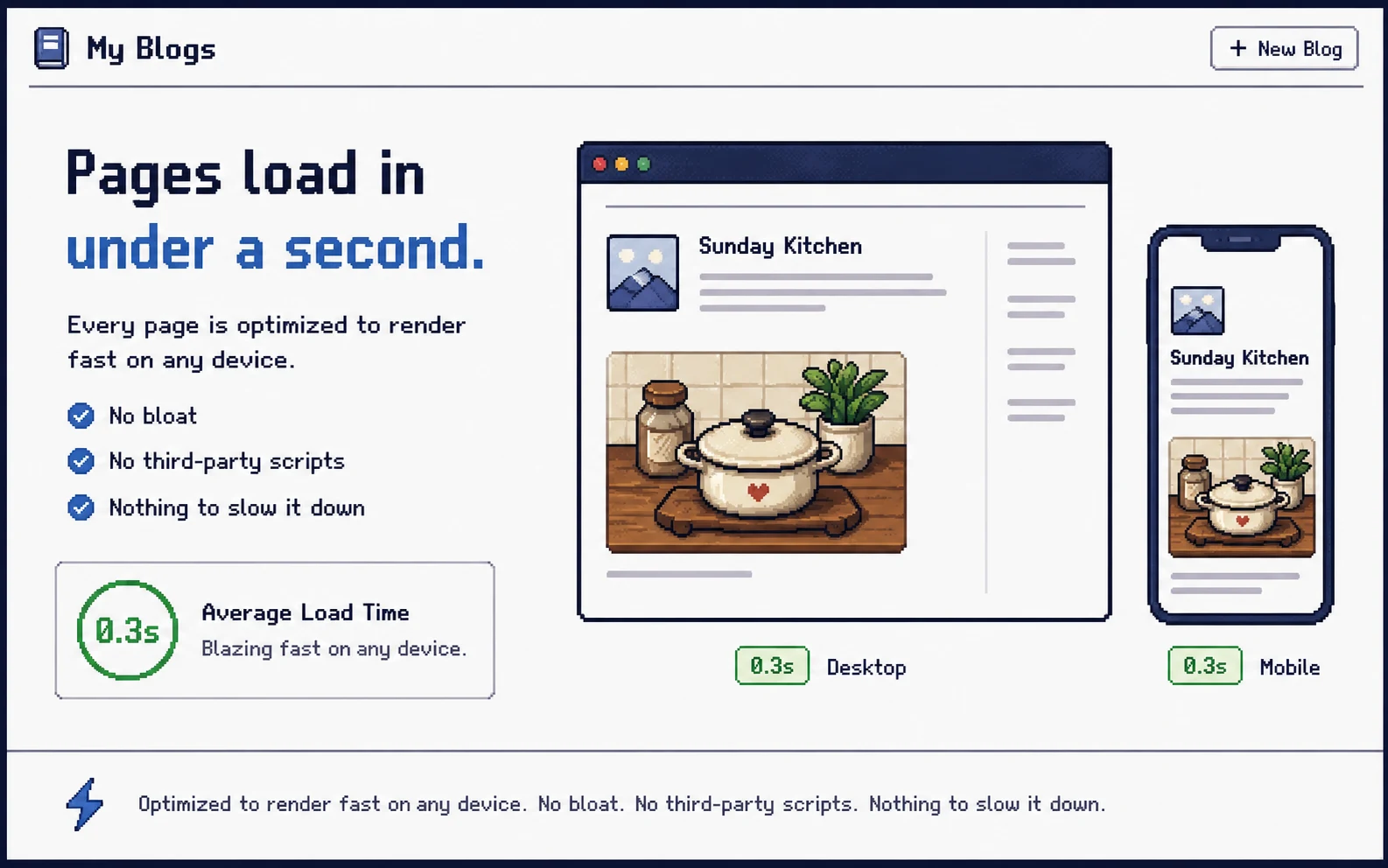
Not Google Analytics. Not Facebook Pixel. Not Hotjar, not Intercom, not any of the quiet passengers that ride along with most blogs. Your readers load your words, your images, your domain — and nothing else.
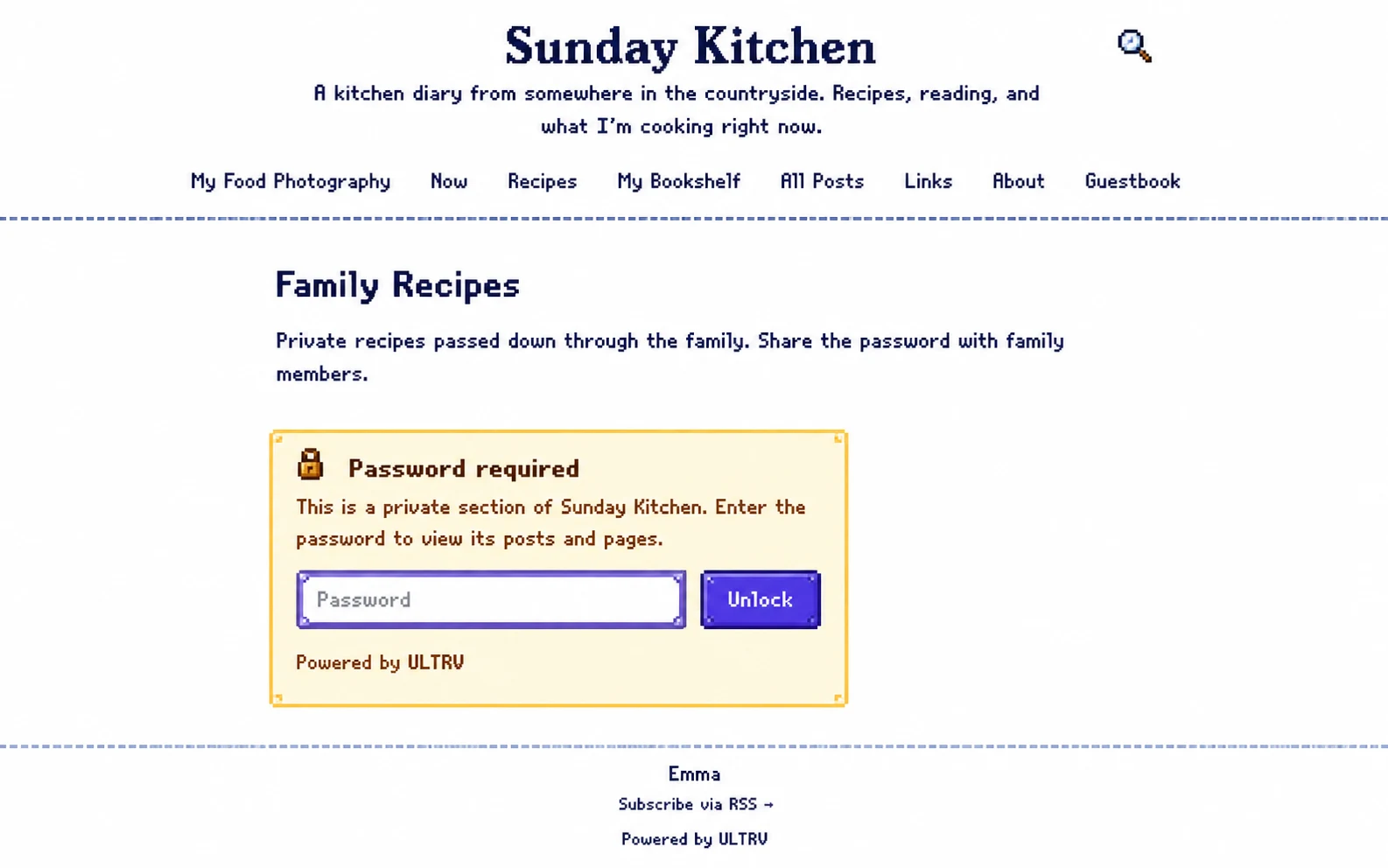
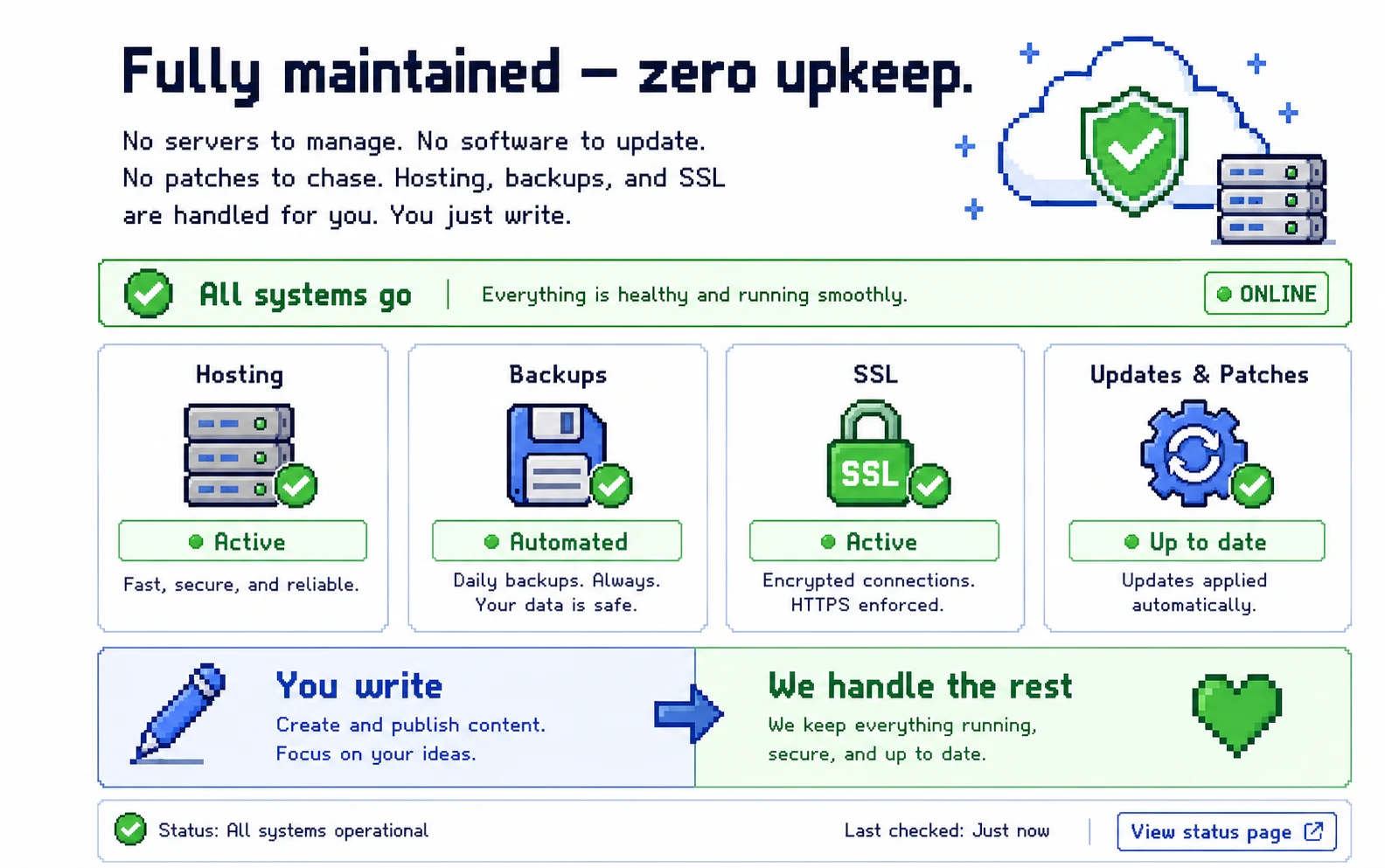
SSL on every blog by default. 2FA from day one. A reasonable password and the whole thing is locked down tight.

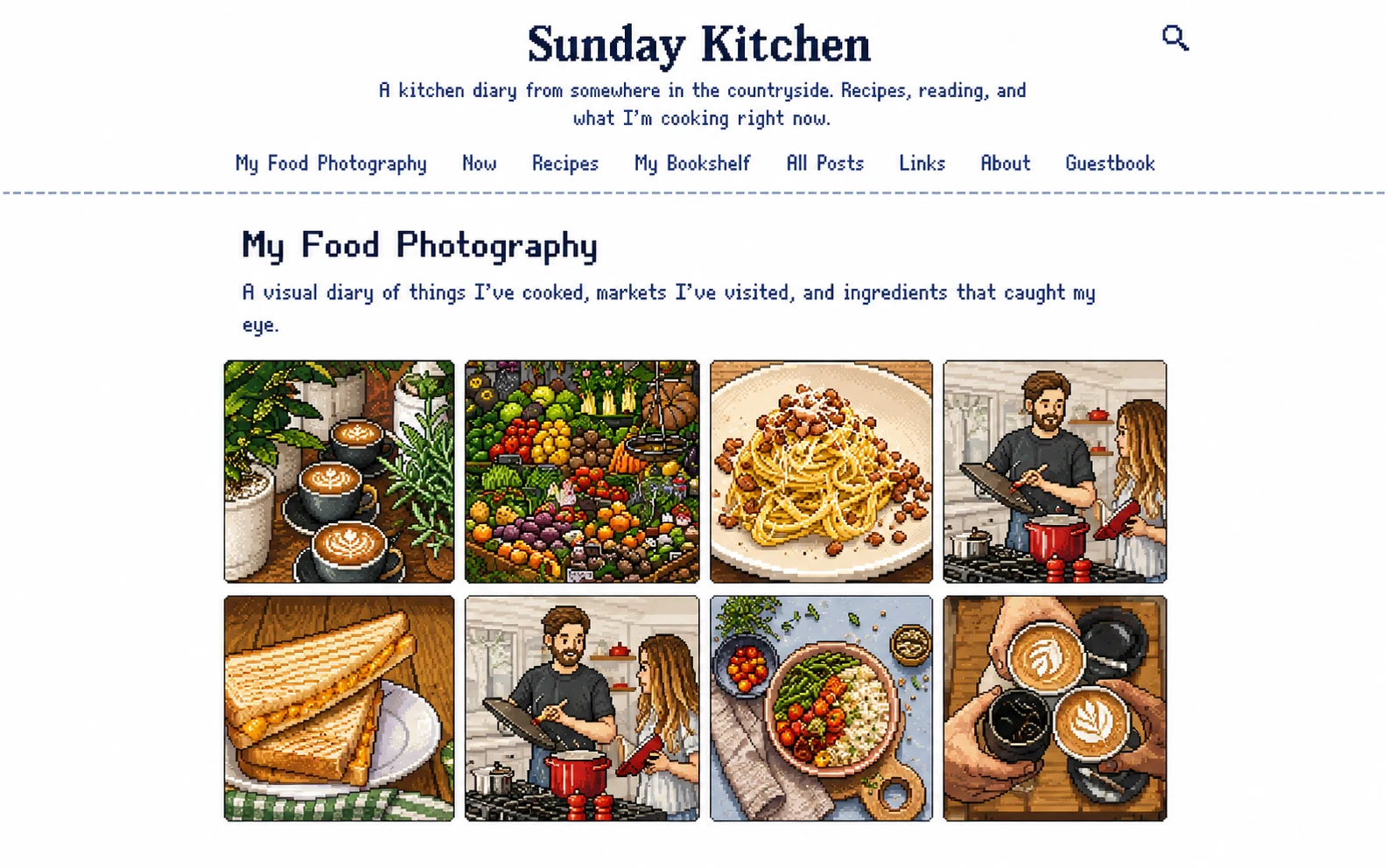
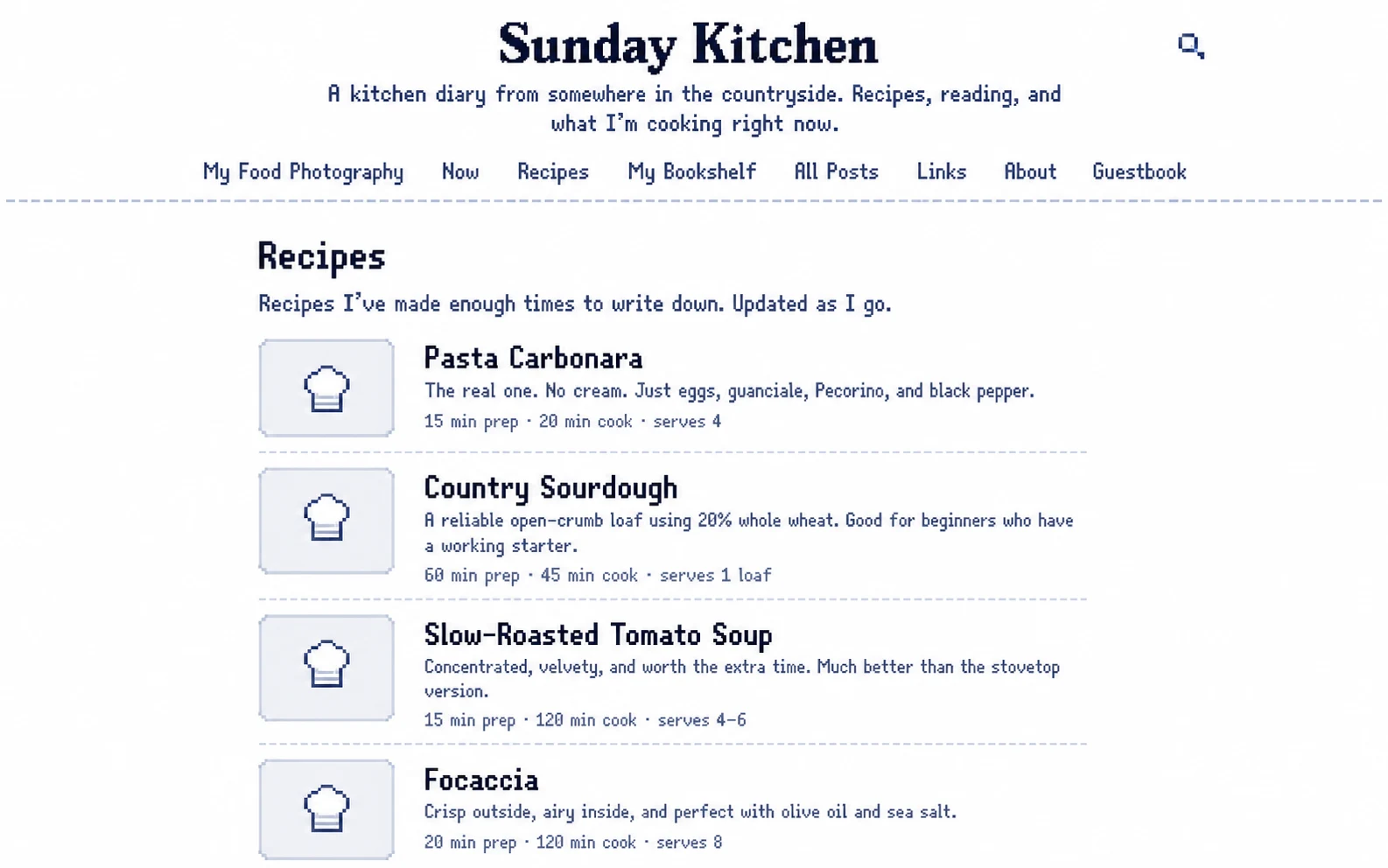
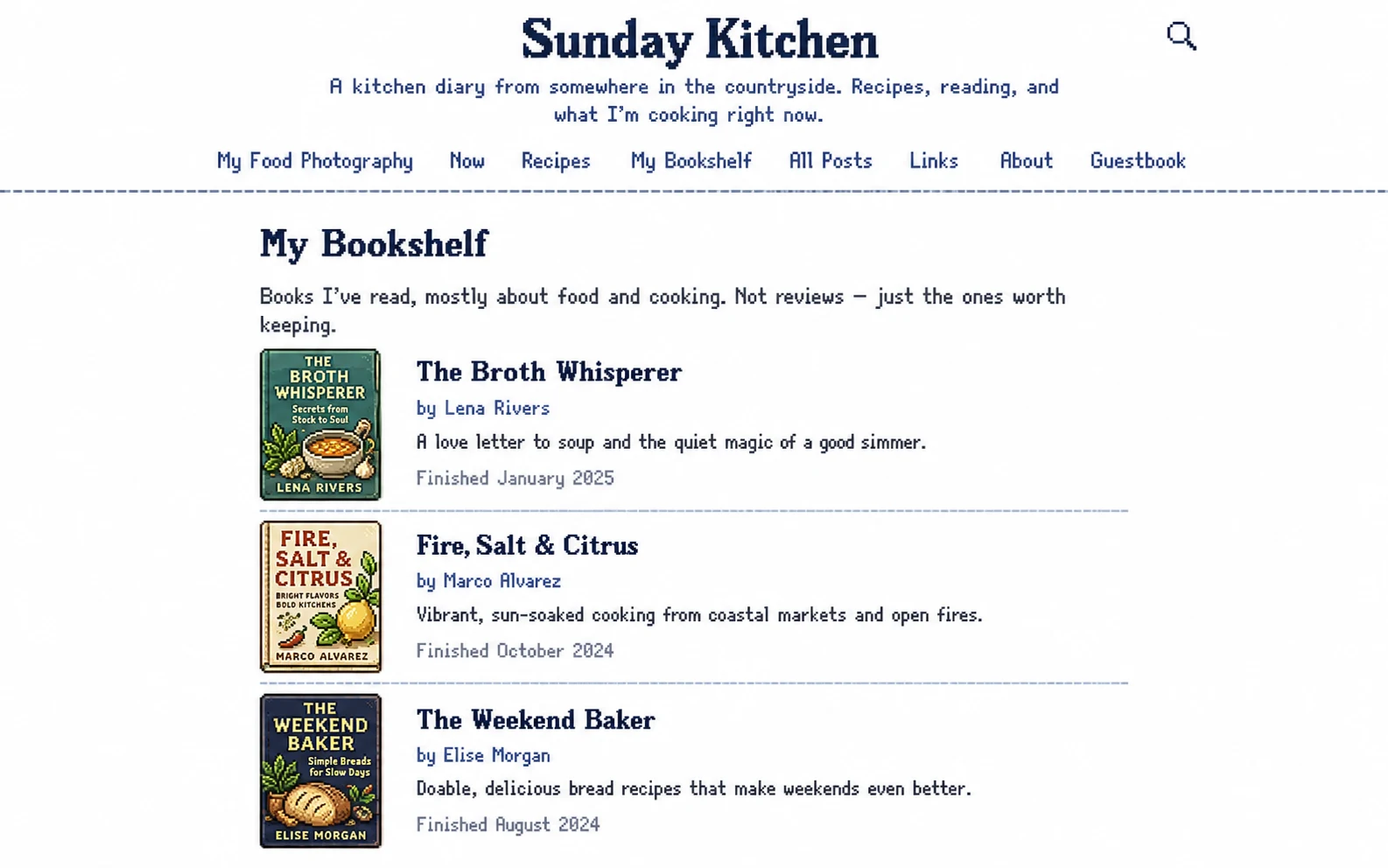
Collections
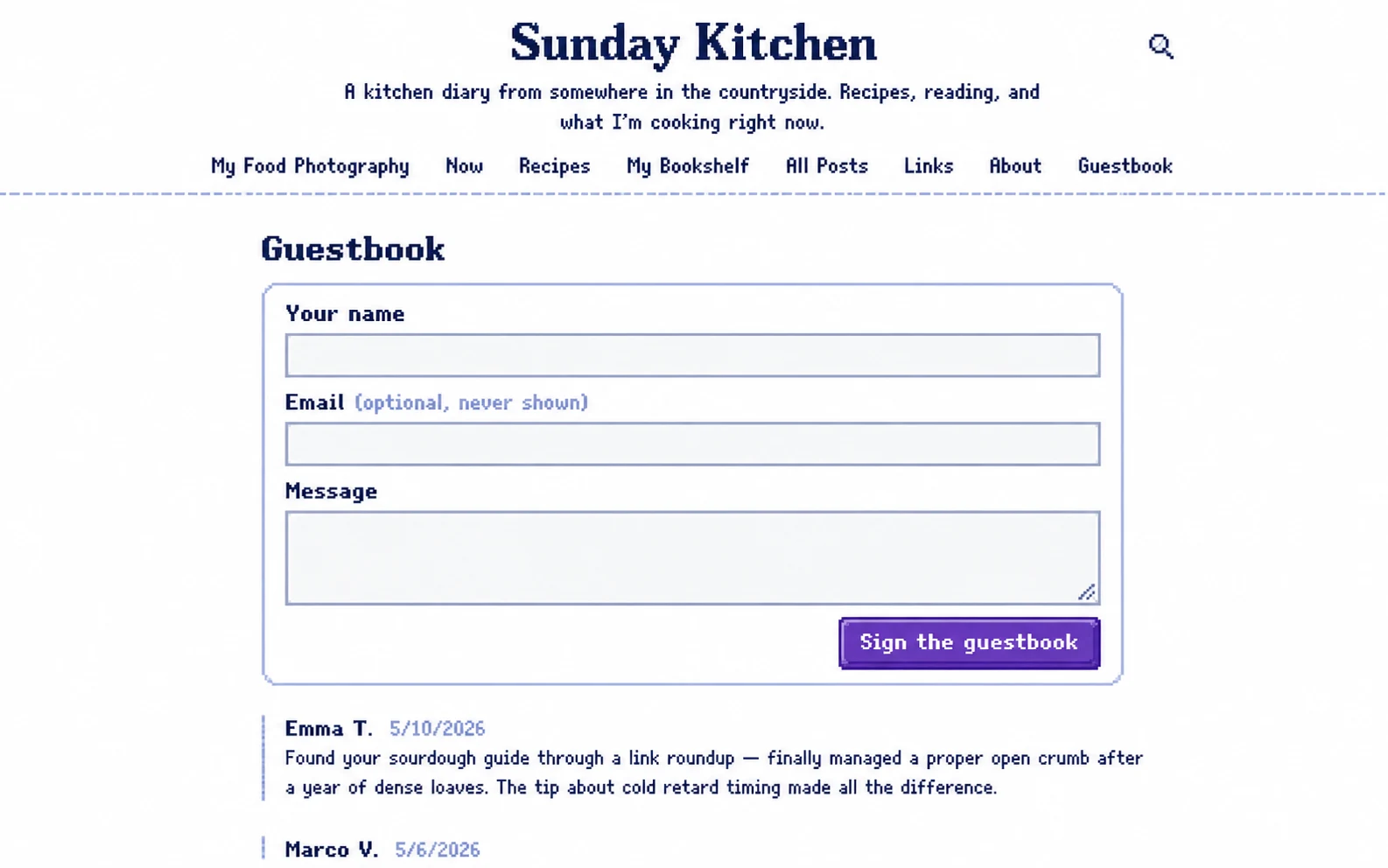
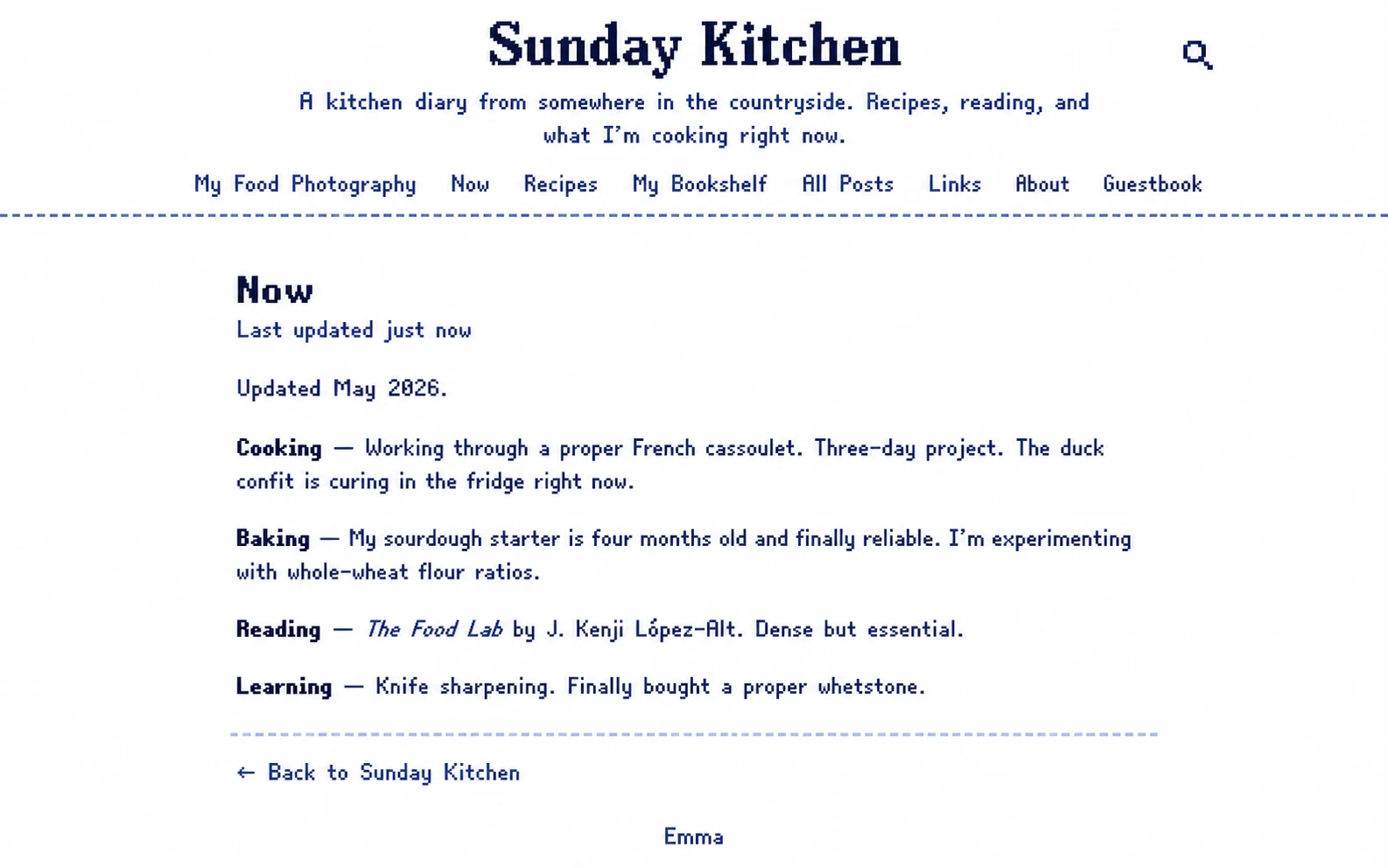
Dedicated pages for the things you love.
Structure
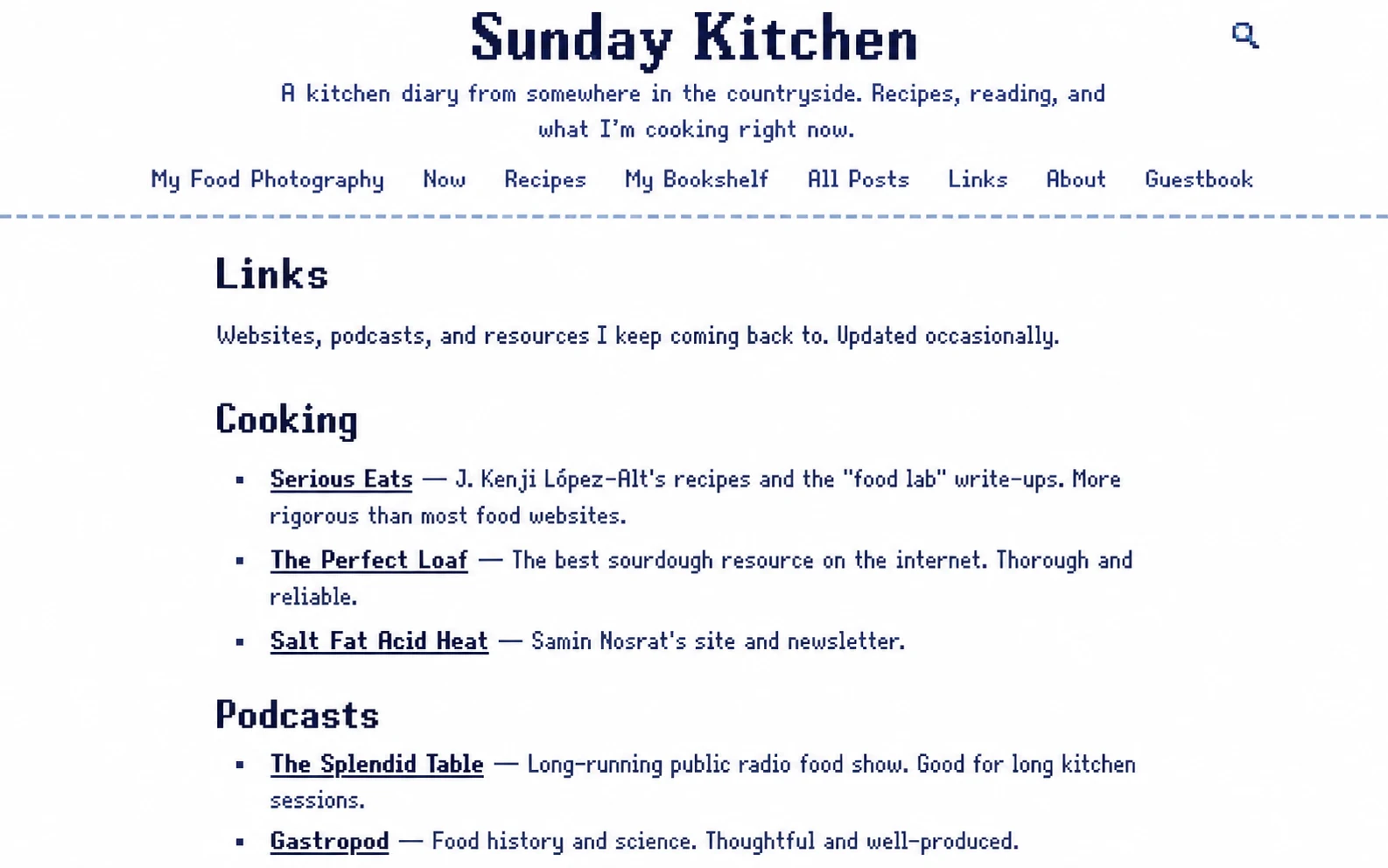
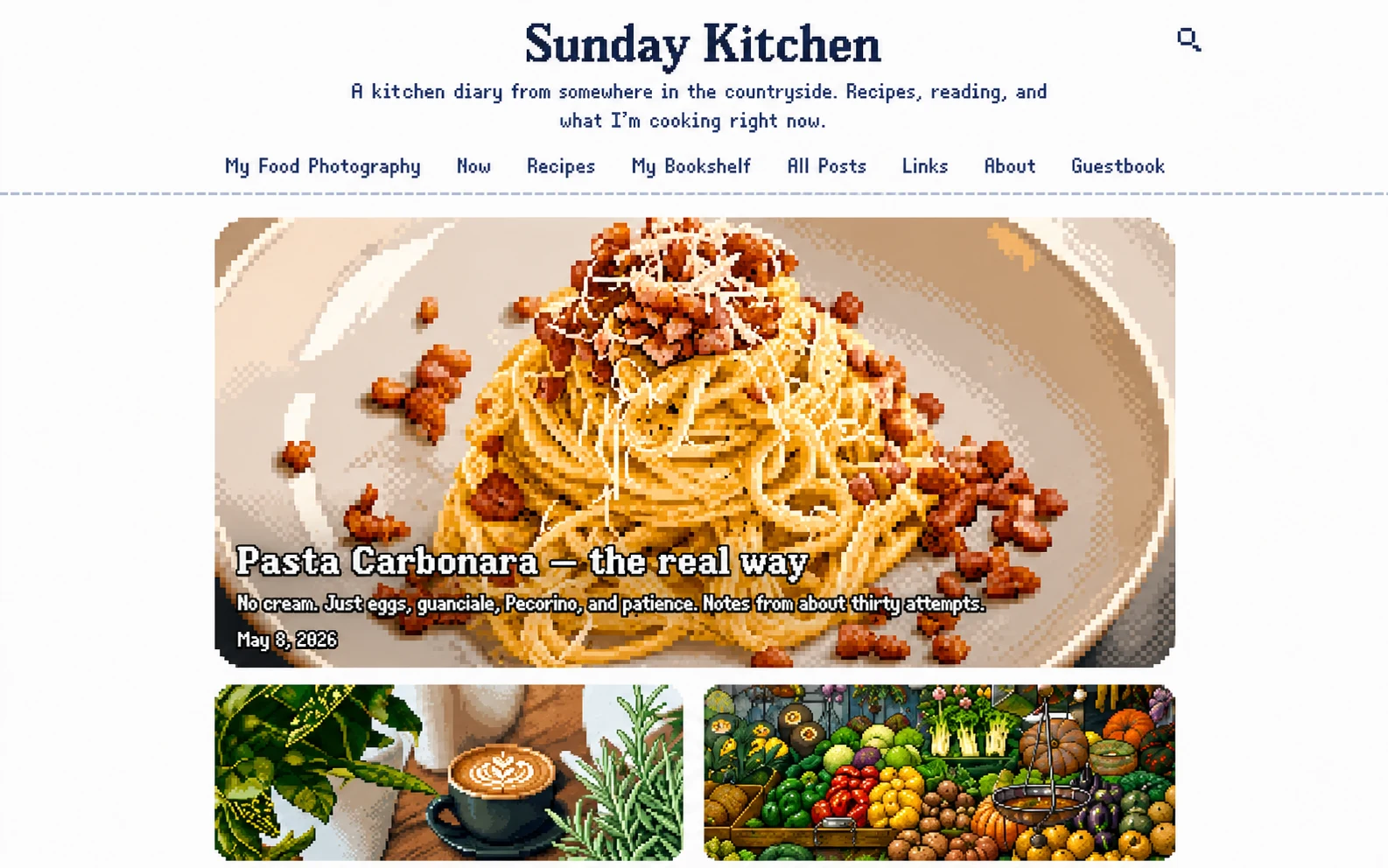
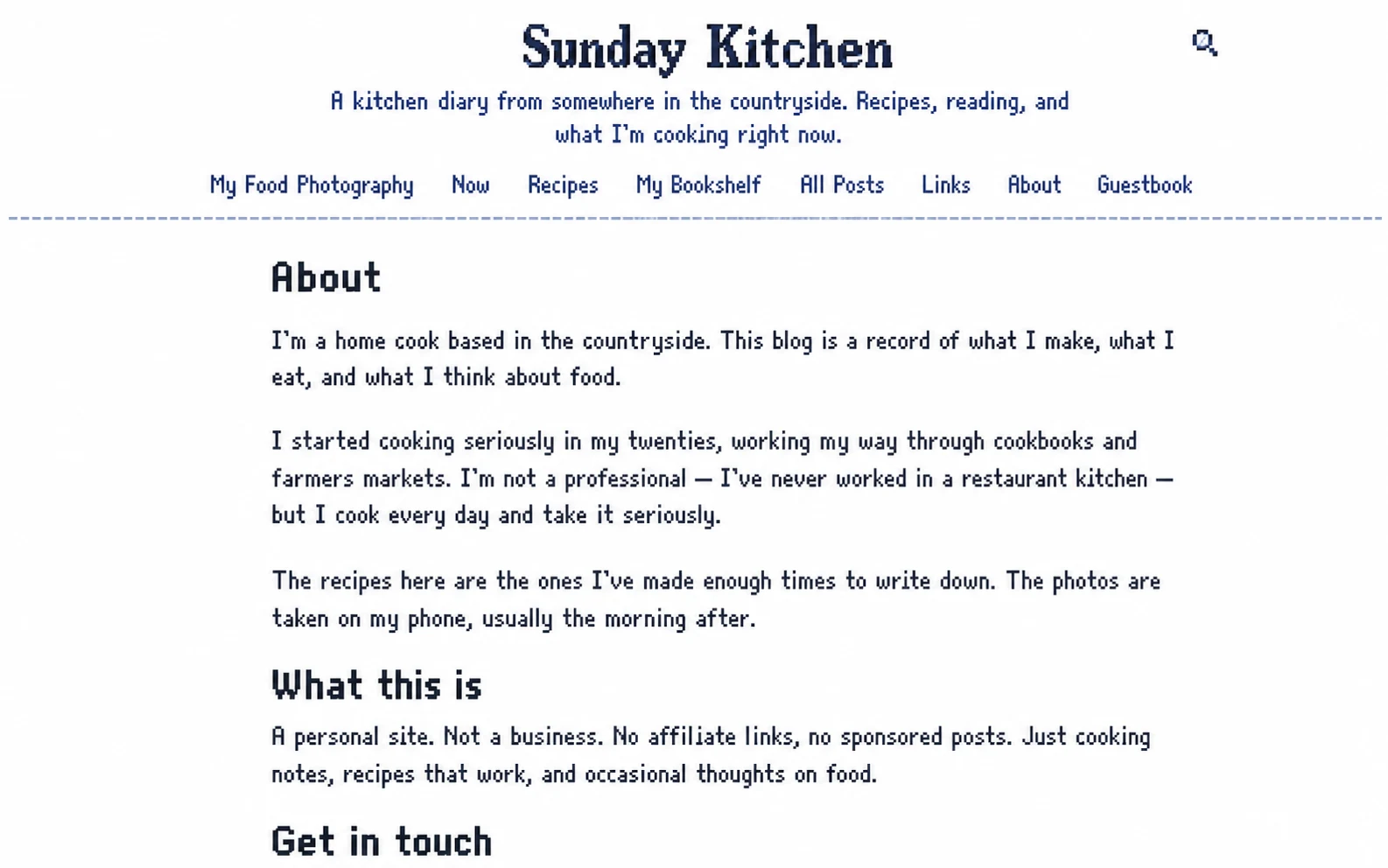
Shape your blog however you want.

Writing
Where the work happens.

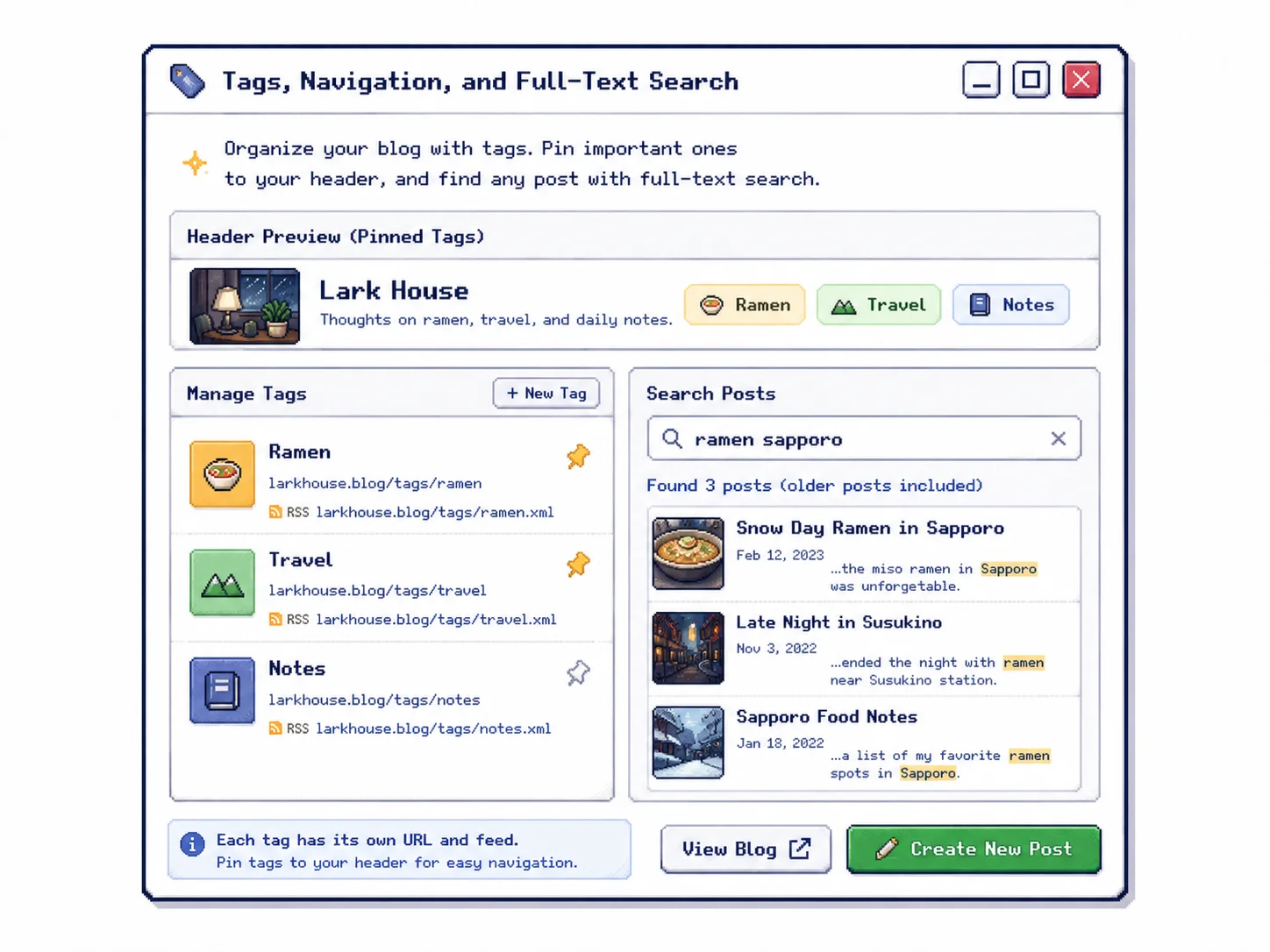
Make it yours
Themes and the small details.
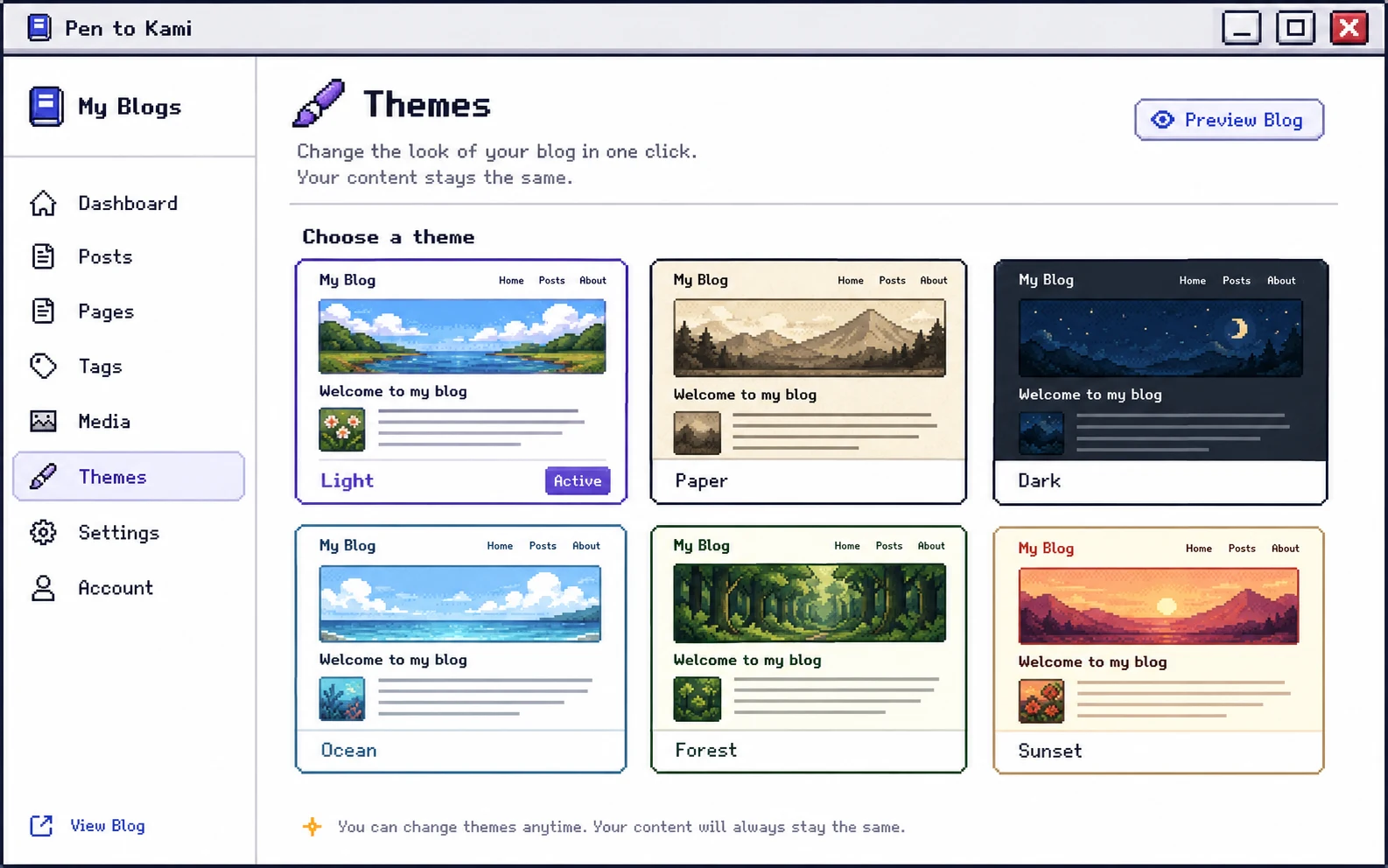


Set it up
Domain, navigation, more than one blog.
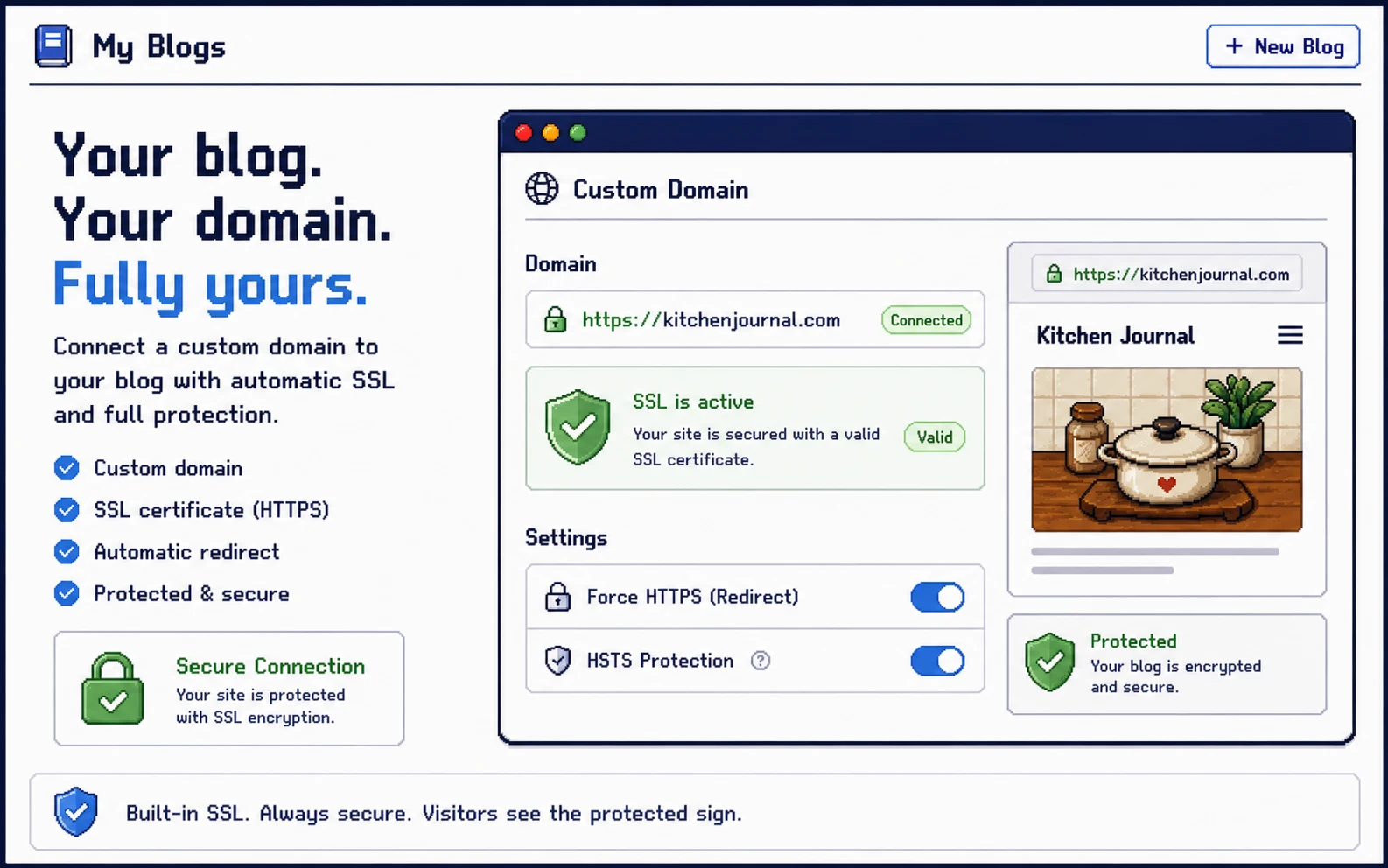

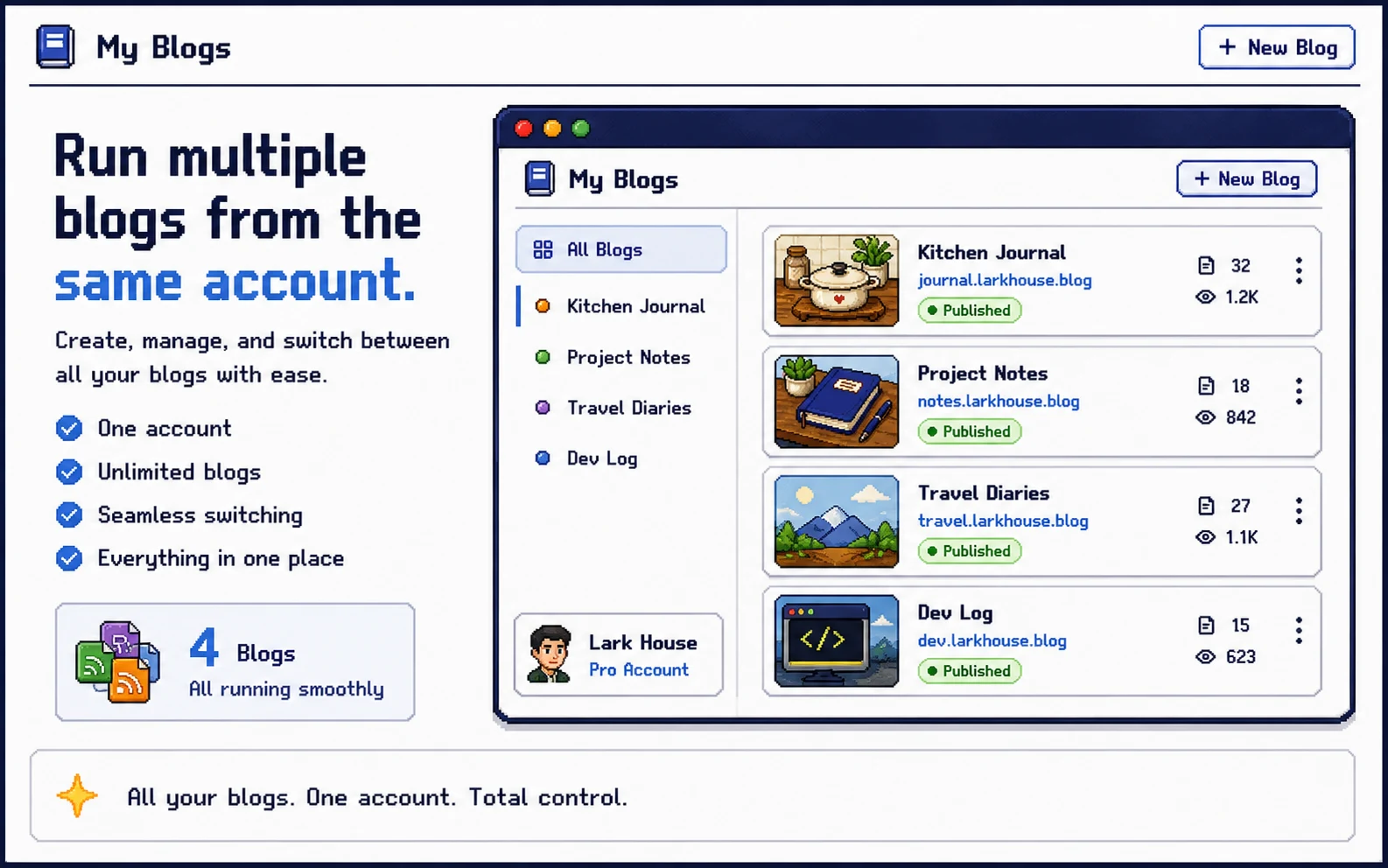
Reach
Wired into the rest of the web.


Imports
Bring your old blog with you.


Housekeeping
The boring parts, handled.
Who runs it
Built to keep running.
Most things you sign up for are running on someone else’s clock. There’s money that needs to grow. There’s a board to please. Eventually that math takes a small, useful tool and turns it into something you’d rather not be using.
Pen to Kami isn’t built that way. It’s a one-person company with no outside investors and no plans to take any. It pays for itself, from the people who use it. That’s the whole business. There’s nothing it needs to become.
Pen to Kami is for people who'd rather be reading or writing than tinkering with software. If you'd like to follow along as I build it, follow my blog. If you'd like to say hello, email me.